Spring-themed planner page calligraphy pairings bring a fresh, seasonal energy to your daily organization. When you combine a delicate, flowing script with a clean, structured header font, your planner pages instantly feel more inviting. This pairing matters because it balances readability with aesthetic appeal, turning a standard to-do list into a visually pleasing layout that you actually want to use.
What exactly are spring-themed planner page calligraphy pairings?
This concept refers to the practice of matching a handwritten or calligraphic font with a complementary, easy-to-read typeface for your planner spreads. The goal is to create visual hierarchy. By focusing on creatively pairing decorative scripts with bold headers, your layouts naturally gain structure without losing their artistic charm. The script draws the eye to the main topic, while the simpler font handles the detailed tasks and notes.
When is the best time to use these seasonal font combinations?
You will get the most value from these combinations during the months of March, April, and May. This is the ideal time for seasonal goal setting, garden planning, spring cleaning checklists, and refreshing your bullet journal. If you are designing specific seasonal spreads, browsing creative handwritten pairings for spring layouts will give you the right foundation for floral and pastel aesthetics. It helps transition your planner from the heavy, dark tones of winter into something lighter and more breathable.
Which font combinations work best for a spring aesthetic?
Finding the right match depends on the specific vibe you want to achieve. For a bouncy, modern look, a font like Springfield works beautifully when paired with a simple, lightweight sans-serif body font. If you prefer a vintage botanical look, pair a delicate floral script with a classic serif font. Even if you are not planning a big event, looking at cohesive font combinations for wedding planner layouts can inspire your own seasonal bullet journal spreads, as both rely on elegant, romantic typography.
What mistakes should you avoid when mixing planner fonts?
It is easy to get carried away with pretty fonts, but poor choices can ruin the functionality of your planner. Avoid these common pitfalls:
- Using two highly decorative scripts together: This creates visual clutter and makes your page difficult to read at a glance.
- Ignoring contrast in size and weight: Your header script and body text need distinct differences in scale. If they are too similar in size, the hierarchy is lost.
- Forgetting about the color palette: Neon or overly saturated colors often clash with soft spring themes. Stick to muted pastels, sage greens, or soft corals.
- Sacrificing legibility for style: If you cannot read your own handwriting or chosen font a week later, the pairing has failed its primary purpose.
How can you make your handwritten headers look professional?
You do not need years of calligraphy experience to make your planner pages look polished. Start by practicing basic strokes and letter connections on scrap paper before writing in your actual planner. Use a light pencil to sketch your baseline and guide lines first. When coloring, use pastel highlighters or brush pens with a flexible tip to mimic natural pressure variations. Keep your body text simple, perhaps using a fine-liner pen in a dark gray or soft black to maintain high contrast against the colorful headers.
What is your next step for upgrading your planner pages?
Before you start decorating your next monthly spread, run through this quick checklist to ensure your typography choices are both beautiful and functional:
- Select one primary script font or handwriting style for your main headers.
- Choose one simple, highly legible font or pen style for your daily tasks and notes.
- Test the size contrast by writing a sample header and a sample task side by side.
- Pick two to three pastel or botanical colors that complement each other without overwhelming the page.
- Write a practice version on scratch paper to check for readability and flow.
Take five minutes today to test one new font pairing on a blank piece of paper. Once you find a combination that feels balanced and easy to read, stick with it for the entire season to build a cohesive, calming planner habit.
Try It Free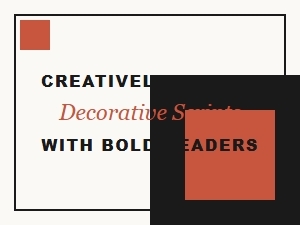 Mixing Scripts and Bold Headers for Dynamic Designs
 Easy Handwritten Fonts for Your Beginner Planner
 Crafted Pairings for Wedding Planner Layouts
 The Psychology of Fonts in Professional Planner Layouts
 Corporate Annual Report Planner Typography Pairings
 Bold and Thin Font Contrast in Monthly Calendar Spreads